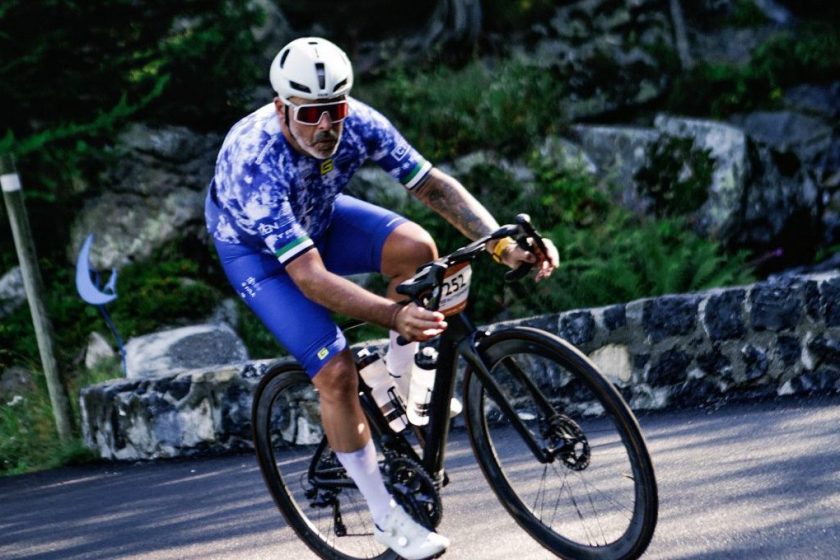
From Endurance Cycling to Business Leadership: Lessons in Resilience
It’s been a while since my last post, and I’m a big believer that if you haven’t got anything to say that’s relevant, you shouldn’t say anything at all. But recently, I completed the Haute Route, a gruelling 7-day cycling event across the Pyrenees, and the experience left me with some powerful reflections on the parallels between endurance cycling and business leadership.
As I pushed my body and mind to their limits, I realised that the same principles that get you through a 7-day, 800km ride with 20,000m of climbing are the same principles that help you build and lead a successful business. Here are a few of the lessons I learned.
1. The Power of Preparation
You don’t just show up for an event like the Haute Route. You train for months, meticulously planning your nutrition, your gear, and your strategy. You study the route, you anticipate the challenges, and you prepare for the unexpected.
Business is no different. The most successful leaders are the ones who are relentlessly prepared. They do their homework, they know their market, and they have a clear plan. They don’t leave success to chance; they engineer it through careful preparation.
2. The Importance of Pacing
In a 7-day race, you can’t go all out on day one. You have to pace yourself, conserving energy for the long climbs and the gruelling final days. If you burn out too early, you’ll never make it to the finish line.
This is a lesson that many entrepreneurs learn the hard way. The pressure to grow at all costs can lead to burnout, both for you and your team. Sustainable growth requires a sustainable pace. You need to know when to push and when to pull back, when to sprint and when to settle in for the long haul.
3. The Unseen Work
What people see on race day is the culmination of months of unseen work. The early morning training rides, the disciplined nutrition, the sacrifices made to stay on track. The same is true in business. The overnight success is a myth. What looks like an overnight success is almost always the result of years of hard work, dedication, and perseverance.
As a leader, it’s important to recognise and celebrate the unseen work of your team. The late nights, the extra effort, the commitment to excellence. This is what builds a culture of high performance.
4. The Mental Game
Endurance sports are as much a mental game as they are a physical one. There will be moments when you want to quit, when your body is screaming at you to stop, when the finish line feels impossibly far away. In those moments, your mental resilience is what gets you through.
Entrepreneurship is the same. There will be setbacks, there will be failures, there will be times when you question whether you have what it takes. Your ability to stay positive, to stay focused, and to keep moving forward in the face of adversity is what will ultimately determine your success.
5. The Power of the Team
While cycling is an individual sport, you don’t get through an event like the Haute Route alone. You have a team of people supporting you—your family, your friends, your fellow riders. They’re there to cheer you on, to pick you up when you fall, and to remind you why you started in the first place.
In business, your team is your greatest asset. As a leader, your job is to build a team of people who share your vision, who support each other, and who are committed to achieving something great together. No leader, no matter how talented, can succeed alone.
Conclusion: The Endurance Mindset
Whether you’re climbing a mountain on a bike or building a business from the ground up, the principles of success are the same. It’s about preparation, pacing, perseverance, and the power of the team. It’s about having an endurance mindset—the ability to embrace the challenge, to push through the pain, and to keep your eyes on the finish line, no matter how far away it may seem.
As a Fractional CMO, I bring this endurance mindset to every client I work with. I understand that building a great brand is not a sprint; it’s a marathon. It requires a long-term vision, a strategic plan, and the resilience to stay the course, even when the road gets tough. And just like in cycling, the view from the top is always worth the climb.